Men’s Fashion Clothes
Men’s fashion clothes have changed significantly over the years, offering men more choices, confidence, and freedom to express their personalities. Today, fashion is not only about following trends; it is also about comfort, quality, fit, and personal style. From everyday casual outfits to formal suits, the right clothing can create a strong impression and help a man feel confident in every situation.
A well-organized wardrobe begins with essential clothing pieces. Classic shirts, tailored trousers, jeans, polo shirts, T-shirts, jackets, and comfortable shoes form the foundation of men’s fashion. Neutral colors such as black, white, navy, grey, beige, and brown are easy to combine and remain stylish throughout the year. These basic pieces can be mixed with fashionable accessories or colorful garments to create different looks.
Casual fashion is popular because it combines comfort with a relaxed appearance. Well-fitted jeans, cotton T-shirts, casual shirts, sneakers, and lightweight jackets are excellent choices for daily activities. Although casual clothing is comfortable, it should still look clean and polished. Choosing the correct size and avoiding overly loose or extremely tight clothes can make a simple outfit appear more attractive.
Formal fashion is important for offices, business meetings, weddings, and special events. A well-tailored suit can make a man look professional, elegant, and confident. Dark colors such as navy, charcoal, and black are traditional choices, while lighter shades can be suitable for daytime occasions. A formal outfit should include a clean shirt, suitable trousers, polished shoes, and carefully selected accessories. A tie, belt, watch, or pocket square can add personality without making the outfit appear excessive.
Seasonal clothing also plays an important role in men’s fashion. During summer, breathable fabrics such as cotton and linen help keep the body cool. Light-colored shirts, shorts, relaxed trousers, and loafers are practical choices. In winter, sweaters, coats, hoodies, boots, scarves, and layered outfits provide warmth and style. Layering allows men to adjust their appearance and comfort as the weather changes.
Accessories are small details that can improve an entire outfit. Watches, sunglasses, belts, wallets, hats, bags, and bracelets can reflect personal taste. However, accessories should complement clothing rather than overpower it. A simple, coordinated selection usually creates a more sophisticated appearance.
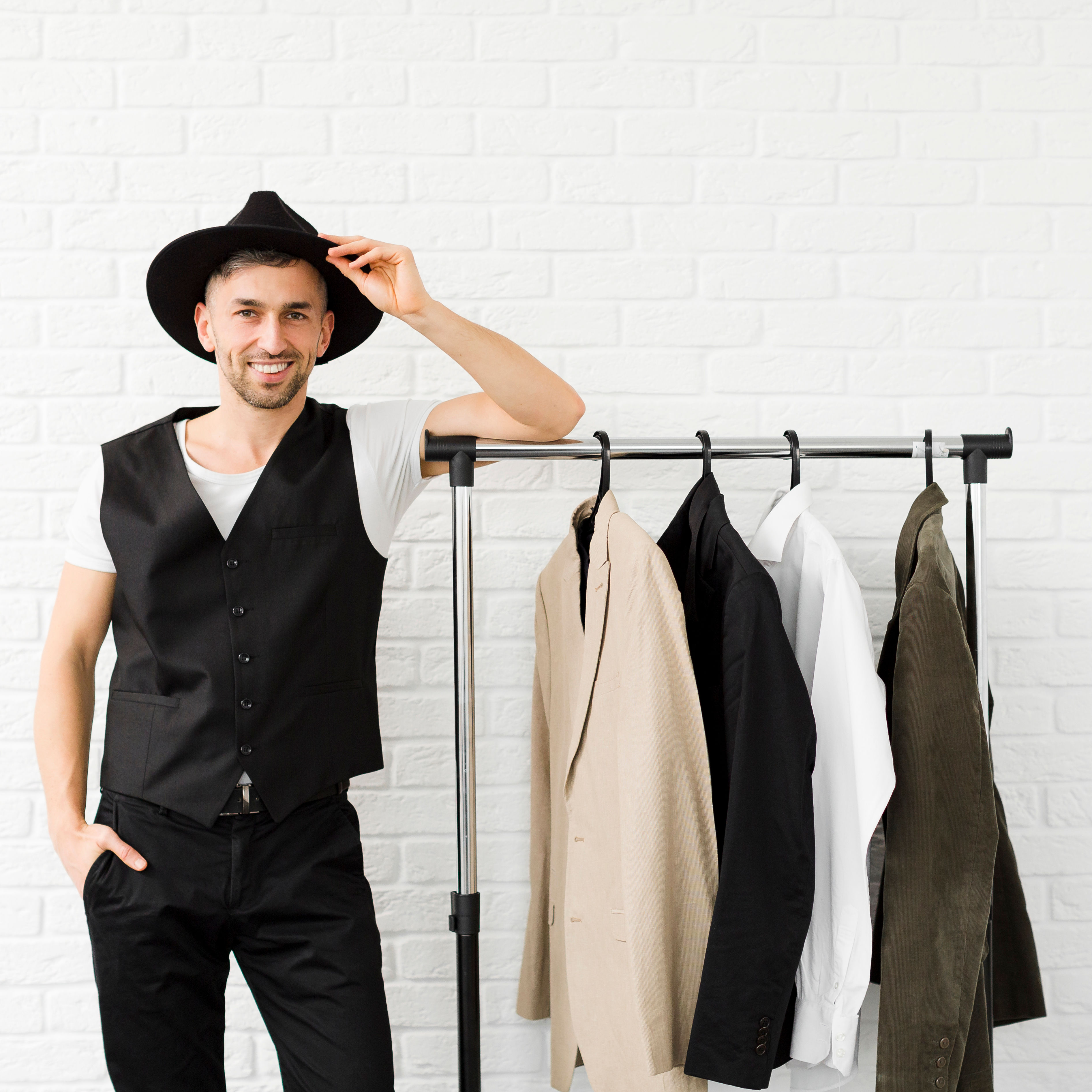
Comfortable Casual Wear for Men
Comfortable casual wear has become an essential part of every man’s wardrobe. Whether you are working from home, meeting friends, running errands, or enjoying a weekend, the right clothing can help you look stylish while keeping you comfortable throughout the day. The key is to choose simple, versatile pieces made from quality fabrics that allow easy movement and suit different occasions.
T-shirts are the foundation of casual dressing. Plain cotton T-shirts in colors such as white, black, navy, grey, and olive are easy to combine with almost anything. Look for breathable materials, a comfortable fit, and a neckline that keeps its shape after washing. For a refined appearance, polo shirts are an excellent choice. They offer the comfort of a T-shirt while adding a polished touch, making them suitable for casual offices, lunches, and informal gatherings.
When it comes to trousers, jeans remain a timeless favorite. Straight-leg and slim-fit styles provide a modern appearance without restricting movement. Dark blue and black jeans can be dressed up with a button-down shirt, while lighter washes work well with casual tops and sneakers. Chinos are another valuable addition to a comfortable wardrobe. Made from soft cotton fabric, they are lighter than denim and available in neutral shades such as beige, khaki, navy, and grey. Chinos can easily transition from daytime activities to evening plans.
Joggers and relaxed trousers are perfect for days when comfort is the top priority. Choose structured joggers in high-quality cotton or a cotton-blend fabric for a neat look. Avoid overly loose designs if you want your outfit to appear balanced. Pair joggers with a fitted T-shirt, sweatshirt, and clean sneakers for an effortless everyday style.
Layering makes casual outfits more practical and attractive. Lightweight overshirts, denim jackets, bomber jackets, and hoodies can add warmth and personality. A neutral overshirt worn over a plain T-shirt creates a stylish look with little effort. During colder months, knit sweaters, fleece jackets, and quilted coats provide comfort without sacrificing appearance.
Footwear also plays an important role in casual dressing. Clean white sneakers are among the most versatile choices, but canvas shoes, casual loafers, desert boots, and sporty trainers can offer variety. Select shoes that provide proper support, especially if you spend many hours walking or standing. Matching your shoes with the overall style of your outfit helps create a coordinated appearance.
Accessories should remain simple. A classic watch, leather belt, cap, or pair of sunglasses can complete an outfit without making it look overdone. Choose accessories in colors that complement your clothing rather than competing with it. Small details such as rolled sleeves, a neatly tucked shirt, or a well-matched belt can make a basic outfit look more intentional. Personal style does not require expensive brands; thoughtful combinations and good grooming often create the strongest impression.
Seasonal choices also make casual dressing more comfortable. In warm weather, linen shirts, cotton shorts, and lightweight trousers help keep the body cool. In cooler seasons, thermal undershirts, wool-blend sweaters, and layered jackets provide warmth without creating a bulky appearance. Choosing fabrics suited to the weather ensures that your outfit remains comfortable from morning until evening.
The best casual wardrobe is built around comfort, fit, and versatility. Clothes should feel easy to wear, but they should also fit your body well and appear clean and well maintained. By investing in breathable basics, dependable trousers, comfortable footwear, and practical layers, men can create stylish outfits for almost any relaxed occasion. Comfortable casual wear is not about dressing carelessly. It is about combining confidence, simplicity, and personal style in a way that works every day
Smart Office and Business Fashion
Smart office and business fashion is about creating a professional appearance while maintaining comfort, confidence, and personal style. In modern workplaces, clothing no longer needs to be extremely formal to look polished. The best business outfits combine clean designs, quality fabrics, suitable colors, and a comfortable fit. Whether you work in a corporate office, attend meetings, or meet clients, thoughtful clothing can help you make a strong and positive impression.
A well-fitted shirt is an essential part of business dressing. White, light blue, pale grey, and soft pink shirts are versatile choices that work well with many trousers and jackets. Cotton shirts are comfortable for daily wear, while wrinkle-resistant fabrics are useful for busy schedules. Plain shirts create a classic appearance, whereas subtle stripes or checks can add variety. The collar should sit neatly, and the shirt should fit comfortably across the shoulders without pulling at the buttons.
Trousers provide the structure for a smart office outfit. Tailored trousers in navy, charcoal, black, beige, or grey can be combined with shirts, blazers, and knitwear. Choose a fit that allows easy movement but does not appear oversized. Chinos are appropriate for business-casual workplaces and can be paired with a tucked-in shirt, leather belt, and loafers. Dark, well-maintained jeans may also be acceptable in relaxed offices, but they should have a clean design without heavy fading, rips, or decorative details.
Blazers and jackets add polish to almost any outfit. A navy blazer is one of the most versatile pieces because it works with grey trousers, beige chinos, and dark denim. Charcoal and brown jackets also provide useful alternatives. Structured blazers create a formal appearance, while unstructured styles offer a softer and more comfortable look. During colder months, wool coats, quilted jackets, and smart overcoats can provide warmth while preserving a professional image.
Shoes are an important part of business fashion. Oxfords, derbies, loafers, and monk-strap shoes are suitable for formal offices and important meetings. In business-casual environments, clean leather sneakers or suede loafers may be appropriate. Brown shoes work well with navy, beige, and lighter trousers, while black shoes are ideal for dark grey, black, and formal suits. Shoes should always be clean, polished, and comfortable enough for a full working day.
Accessories should support an outfit rather than distract from it. A simple watch, leather belt, professional briefcase, and understated tie can complete a business look. The belt and shoes should generally complement each other in color and finish. Ties are not always required, but they remain useful for presentations, interviews, formal meetings, and special events. Choose patterns that are refined and coordinate with the shirt and jacket.
Fit and grooming are just as important as individual clothing items. Even expensive clothing may look unprofessional if it is wrinkled, poorly fitted, or damaged. Shirts should be pressed, trousers should fall neatly over the shoes, and jackets should sit correctly at the shoulders. Clean hair, tidy nails, and suitable personal grooming complete the overall appearance. Good posture and confident body language also make business clothing look more effective.
A consistent wardrobe also saves time each morning, allowing professionals to focus on priorities while appearing prepared, capable, and organized daily. Seasonal fabrics can improve comfort at work. Linen and lightweight cotton are useful in warm weather, while wool blends, flannel, and layered knitwear provide warmth during colder months. Neutral colors create a dependable wardrobe, while carefully selected accessories add personality. By investing in versatile basics and choosing clothes that fit properly, professionals can build a smart office wardrobe that is stylish, practical, and suitable for many business situations
Modern Shirts, Trousers, and Jackets
Modern fashion is all about combining comfort, confidence, and versatility. Shirts, trousers, and jackets form the foundation of a stylish wardrobe because they can be mixed and matched for many occasions. From relaxed weekend outfits to smart office looks, these essential pieces help create a polished appearance without making dressing complicated. Choosing the right fabrics, colors, fits, and combinations can make everyday clothing look contemporary and refined.
Shirts are among the most adaptable items in modern clothing. A well-fitted cotton shirt can be worn with formal trousers for a professional appearance or paired with jeans for a relaxed style. Classic colors such as white, blue, grey, and black are easy to coordinate, while subtle checks, stripes, and textured fabrics add personality. Oxford shirts are useful because they look neat without appearing overly formal. For warmer weather, linen and lightweight cotton shirts provide breathability and keep the body comfortable.
Casual shirts offer more variety. Overshirts can be worn open over a T-shirt, creating an attractive layered outfit. Denim shirts add a rugged touch, while patterned short-sleeve shirts are ideal for holidays, outdoor gatherings, and summer evenings. The most important consideration is fit. A shirt should follow the shape of the body without feeling tight across the chest or shoulders. Sleeves should end comfortably near the wrist, and the fabric should allow easy movement.
Trousers provide structure and balance to an outfit. Tailored trousers in neutral shades such as charcoal, navy, beige, and brown are suitable for offices, dinners, and formal events. Their clean lines create a smart appearance, especially when worn with a tucked-in shirt and polished shoes. Chinos offer an alternative. Made from cotton twill, they combine the neatness of formal trousers with the ease of casual clothing. They pair well with polos, shirts, sweaters, and casual jackets.
Jeans remain an essential choice for everyday wear. Straight-leg and slim-fit designs offer a modern silhouette while allowing comfortable movement. Dark denim looks more polished, whereas lighter washes create a casual and youthful impression. For a contemporary wardrobe, avoid trousers that are excessively loose or uncomfortably tight. The ideal fit should sit naturally at the waist, provide room through the hips and thighs, and fall neatly over the shoes.
Jackets complete an outfit by adding warmth, texture, and character. A structured blazer can make jeans and a T-shirt look more sophisticated. Unstructured blazers provide a softer, more comfortable option for casual offices and social occasions. Bomber jackets, denim jackets, and overshirts are excellent for everyday styling. For colder weather, wool coats, quilted jackets, and lightweight parkas offer protection while maintaining a stylish appearance.
Color coordination makes these pieces easier to combine. Neutral shirts and trousers create a dependable foundation, allowing a jacket to become the main feature. For example, a navy jacket works well with beige chinos and a white shirt, while a brown jacket complements dark denim and a cream top. Simple combinations usually look more elegant than outfits with too many competing colors or patterns.
Care and maintenance also influence how modern clothing looks. Shirts should be washed according to their fabric requirements, trousers should be folded or hung properly, and jackets should be stored on strong hangers. Clean, pressed clothing always appears more polished. Replacing worn buttons, removing loose threads, and polishing shoes are small habits that help preserve an attractive appearance.
Modern clothing should reflect personal style as well as practicality. Investing in quality shirts, well-fitting trousers, and versatile jackets makes it easier to dress confidently every day. With thoughtful choices, these wardrobe essentials can support professional, casual, and smart-casual looks throughout the year.